
how does Invisalign work?
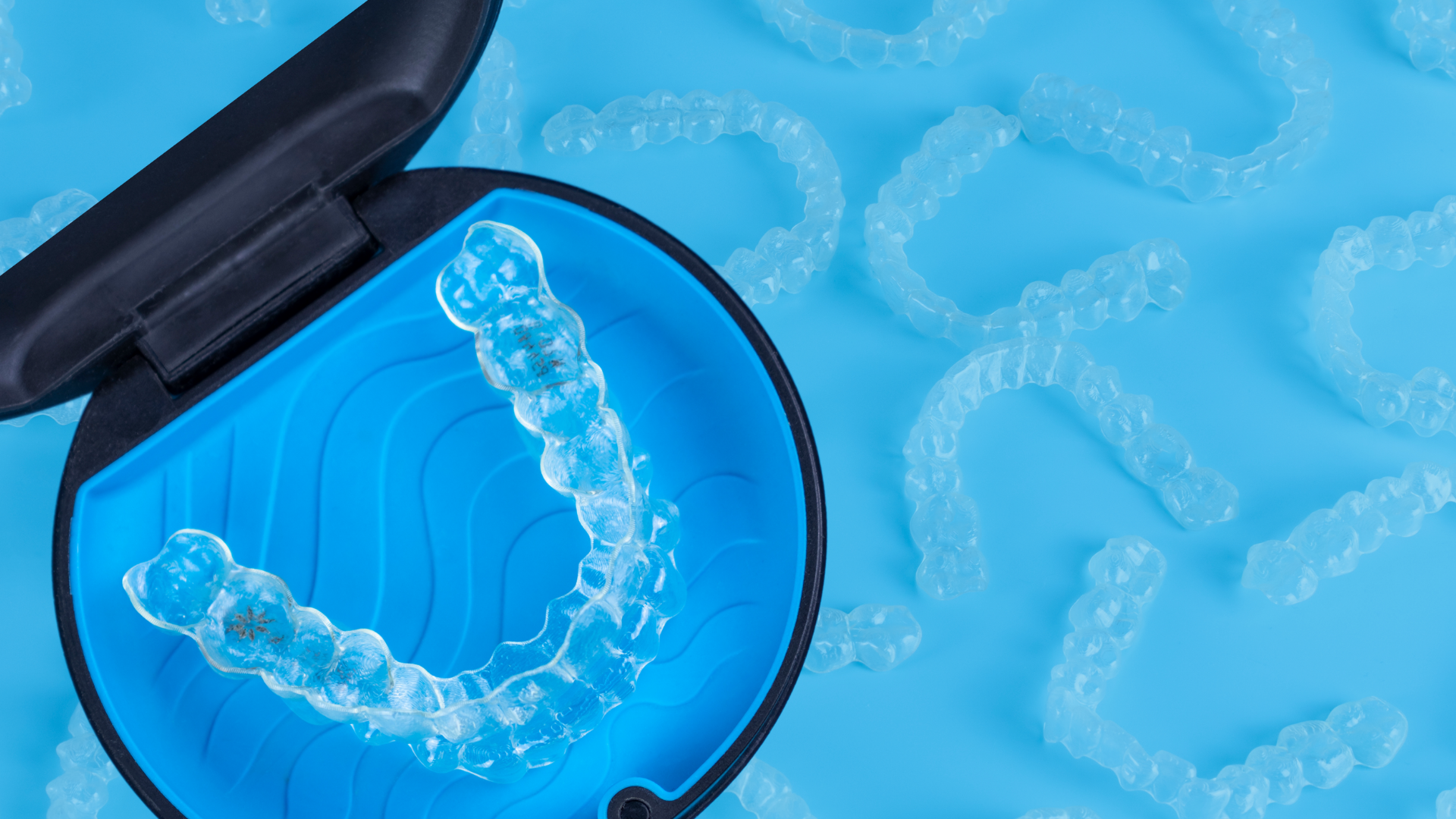
If you have ever wondered how a series of clear, plastic trays can transform a crooked smile into a perfectly aligned one, you aren't alone. Unlike traditional braces that rely on metal brackets and wires, Invisalign uses advanced 3D technology and custom-engineered aligners to move your teeth with incredible precision. In this post, we’ll take a look behind the scenes at the science of clear aligners and explain exactly how this discreet system shifts your teeth into place comfortably and effectively.
How does Invisalign work?
At the heart of the Invisalign system is a process called controlled force application. Each bespoke aligner is crafted from a patented thermoplastic material designed to exert light, constant pressure on specific teeth at specific times. Rather than moving all your teeth at once, the system follows a digitally mapped sequence where each tray in your series is slightly different from the last. As you swap to a new set of aligners every one to two weeks, that strategic pressure gradually coaxes your teeth into their next position, centimetre by centimetre, until your final smile is achieved.
In many cases, we also use tiny, tooth-coloured attachments which act as anchor points for the aligners. These subtle grips allow the trays to apply force more effectively, helping to perform complex movements like rotations or lifts that would otherwise be difficult with a smooth tray alone. Because every movement is pre-planned using advanced 3D software, the process is incredibly predictable, ensuring that each tooth follows a clear and efficient path to its ideal alignment.
Do you have to wear a retainer forever after Invisalign?
The short answer is yes—if you want to keep your smile perfectly straight, wearing a retainer is a lifelong commitment. Once your Invisalign treatment is complete, your teeth need time to settle into their new positions. Without a retainer, a process called relapse can occur, where the ligaments and bone naturally try to pull your teeth back toward their original, crooked alignment. Think of it like a seatbelt for your smile; while you will eventually only need to wear them at over night, consistent use is the only way to ensure the investment you’ve made in your teeth lasts a lifetime.
The Do’s and Don'ts of Invisalign -
To get the most out of your Invisalign treatment and keep your journey on track, there are a few essential "dos and don'ts" to follow. Do aim to wear your aligners for at least 22 hours a day, removing them only for eating, drinking anything other than water, and cleaning. It is also vital to do brush your teeth after every meal before putting the trays back in to prevent trapping food and bacteria against your enamel. On the flip side, don't ever clean your aligners with hot water, as the high temperature can warp the medical-grade plastic and ruin the fit. Additionally, don't leave your trays out in the open where they can get lost or damaged; always place them safely in their protective case when you aren't wearing them. Finally, don't use abrasive toothpastes or scented soaps to wash your trays, as these can scratch the surface and make the invisible plastic look cloudy.
Ready to take the first step towards your dream smile? Now that you understand how Invisalign works and how simple the process can be, the only thing left to do is see if it’s the right fit for you. At S3 Dental Haywards Heath, we are here to guide you through every stage of your transformation with expert care and the latest digital technology. Don’t leave your smile to guesswork—book your FREE cosmetic consultation today to see your potential results with a 3D smile simulation and start your journey towards a more confident you!