
Preventative Dental Care: Stop Problems Before They Start
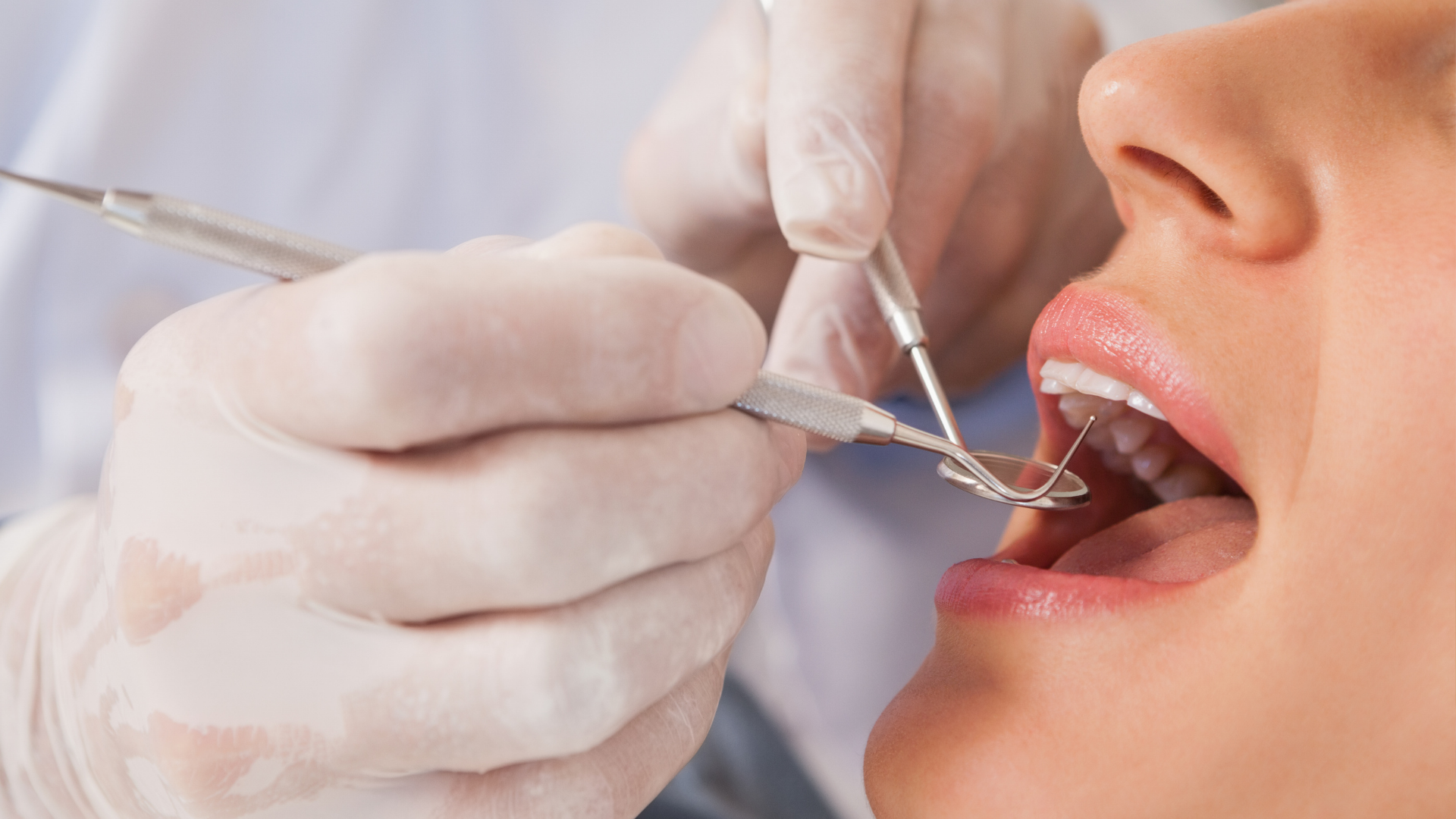
We all want a brilliant, healthy smile that lasts a lifetime. But achieving and maintaining it isn't just about reacting when a problem arises; it's about proactively safeguarding your oral health. We focus on preventative dental care because it is the most effective and cost-efficient way to maintain optimal oral health throughout life. The core principle is to stop dental problems like decay (dental caries), gum disease (periodontitis), and enamel erosion before they start or progress to a serious stage. By practicing good daily habits, such as brushing and flossing, and attending regular professional check-ups and cleanings, we can detect minor issues early, often reversing them with simple measures. This preventative approach not only saves individuals from the pain, discomfort, and extensive cost associated with fillings, root canals, or extractions, but also plays a vital role in overall systemic health, as poor oral hygiene is linked to conditions like heart disease and diabetes. It is fundamentally a strategy to ensure a healthy, functional, and aesthetically pleasing smile for the long term.
Fuelling Your Smile: Healthy Eating Habits
What you eat directly impacts the health of your teeth and gums. Think of your diet as either a friend or foe to your oral health.
Limit Sugary and Acidic Foods & Drinks: Sugar is the primary food source for harmful bacteria in your mouth, which produce acids that erode enamel and cause cavities. Acidic foods and drinks (like fizzy drinks, fruit juices, and citrus fruits) can also directly wear down enamel. Try to consume these in moderation and rinse your mouth with water afterward.
Embrace Nutrient-Rich Foods: A balanced diet rich in vitamins and minerals is crucial.
Calcium and Phosphorus: Found in dairy products, leafy greens, and nuts, these minerals help strengthen tooth enamel.
Vitamin C: Important for healthy gums and soft tissues; abundant in fruits like berries and vegetables like broccoli.
Vitamin D: Helps your body absorb calcium; found in fatty fish and fortified foods.
Stay Hydrated with Water: Water helps wash away food particles and neutralise acids. Fluoridated water, in particular, helps strengthen enamel.
The Power of Routine: Good Oral Health Cleaning
Your daily routine is your first line of defence against dental problems. Consistency is key!
Brush Twice a Day, Every Day: Use an electric toothbrush and fluoride toothpaste. Brush for at least two minutes, covering all surfaces of your teeth and gently brushing your tongue to remove bacteria.
Floss Daily: Flossing removes food particles and plaque from between your teeth and under the gumline, areas your toothbrush can't reach. This is critical for preventing gum disease and interdental cavities.
Spit do not rinse: The best practice is to spit, not rinse after brushing to ensure the protective fluoride remains on your teeth longer, maximising its ability to strengthen enamel and fight decay. Rinsing with water washes away this concentrated fluoride, significantly reducing its preventative effect.
Regular Dental Check-ups and Cleanings: Visiting your dentist at least twice a year allows for professional cleaning to remove stubborn plaque and tartar, and for early detection of any potential issues before they become major problems. Your dentist can also provide personalised advice and identify areas needing improvement in your home care routine.
Beyond the Mouth: Link to Overall Systemic Health & Cost Savings
The Oral-Systemic Connection: Poor oral hygiene can lead to gum disease, where bacteria from your mouth can enter your bloodstream and travel to other parts of your body. This inflammation and bacterial presence are linked to serious systemic conditions:
Heart Disease: Studies suggest a link between gum disease and an increased risk of heart attack and stroke.
Diabetes: Gum disease can make it harder for diabetics to control their blood sugar, and conversely, diabetes can worsen gum disease.
Respiratory Infections: Inhaling bacteria from infected gums can contribute to lung conditions.
Pregnancy Complications: Periodontal disease has been linked to preterm birth and low birth weight.
Keeping Costs Low
Preventative care is significantly more affordable than restorative or emergency dental treatments. A routine cleaning and check-up cost a fraction of a filling, root canal, or tooth extraction. By addressing minor issues early or preventing them entirely, you avoid the pain, inconvenience, and often substantial financial burden of more complex procedures down the line. It's truly an investment that pays dividends in both health and savings.
Ready to Get Back on Track? If you're ready to restart your journey to better oral health and a confident smile, contact us today to book your next check-up and professional cleaning.