
A Parent's Guide To Brushing A Toddler's Teeth
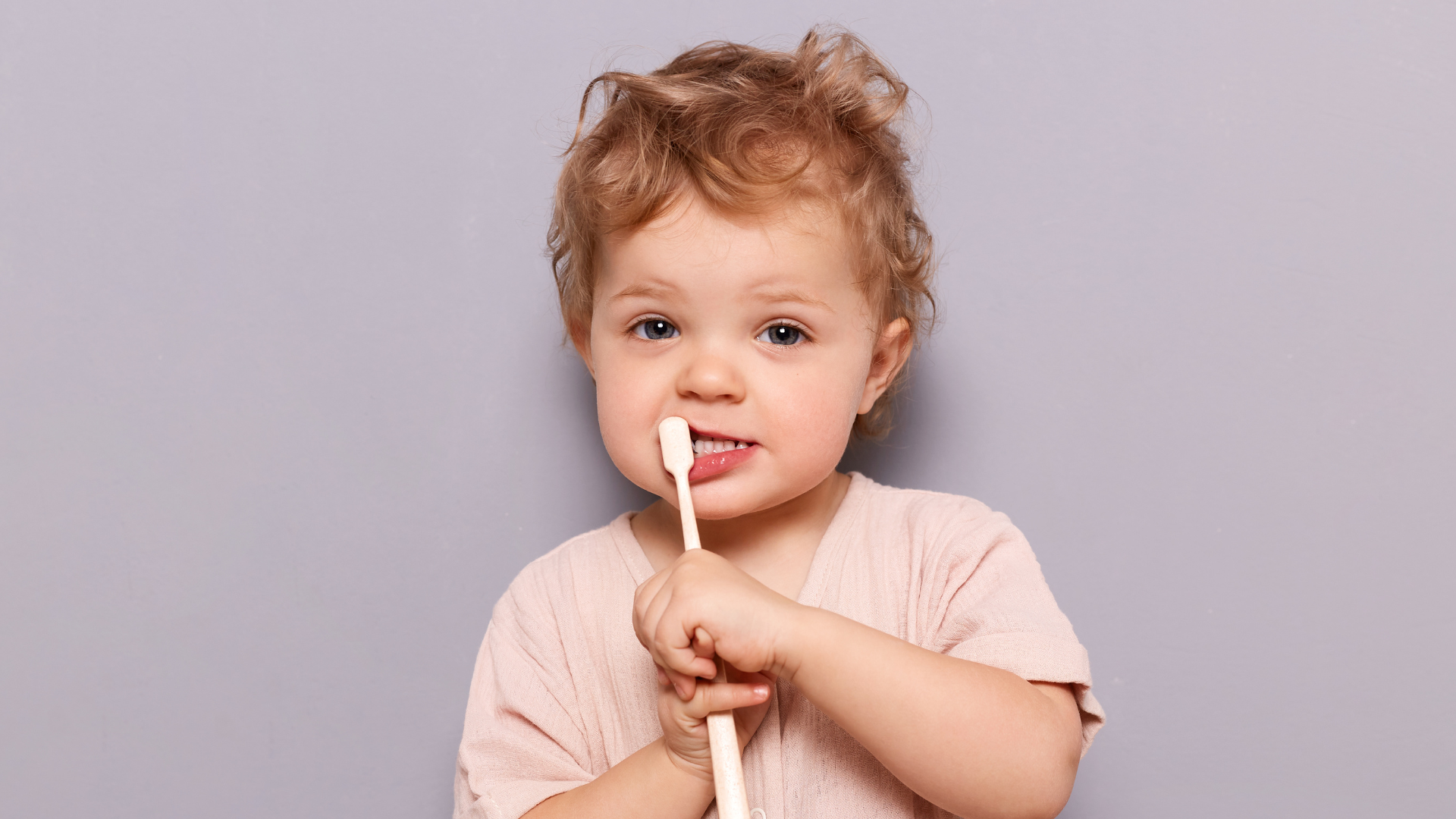
Welcome to the world of parenting, where every day brings new milestones—and new challenges. Among the most common struggles is the daily battle to brush your toddler's teeth. What starts as a simple routine can quickly devolve into a wrestling match, leaving both you and your little one frustrated. But what if it didn't have to be this way?
Establishing good dental hygiene early is one of the best gifts you can give your child, setting them up for a lifetime of healthy smiles. In this guide, we'll walk you through practical, tantrum-proof strategies to turn brushing from a chore into a fun part of your routine. Get ready to reclaim your evenings and ensure those tiny teeth are clean and healthy, one brushstroke at a time.
Tips for Brushing a Toddler's Teeth -
Sing a song. Create a fun, 2-minute brushing song or use one you find online. This makes the routine playful and ensures you brush for the recommended amount of time.
Use the right tools. Choose a soft-bristled toothbrush with a small head that's designed for toddlers. You only need a tiny, pea-sized smear of fluoride toothpaste, or a rice-sized amount if they're under three.
Let them have a turn. Allow your toddler to brush their own teeth first to give them a sense of control. Then, you can take over to make sure you've cleaned all the surfaces properly.
Brush with them. Toddlers love to mimic. Brush your teeth at the same time to show them how it's done and make it a shared activity.
Try different positions. If they resist, try holding them in your lap or a comfortable position that gives you a good view of their teeth. This is often called the "knee-to-knee" method.
A healthy diet is the foundation of strong, healthy teeth. It’s crucial to limit your toddler’s intake of sugary drinks and snacks like juice, fizzy drinks, and sweets, as the frequency of sugar exposure is often more damaging than the amount. These sugars feed the bacteria in their mouth, creating acids that can lead to cavities. Instead, encourage healthy, tooth-friendly snacks such as fruits, vegetables, and cheese, which help neutralise acid. Remember that water is the best drink for keeping your toddler’s teeth healthy and hydrated throughout the day.
We recommend bringing your child in for their first dental visit around the age of two, or earlier if you have a concern. Getting an early start helps us monitor their dental development and address any potential issues. To make their first visit a great one, we suggest bringing them along to one of your own appointments first. This allows them to get to know our team and see how a check-up works in a relaxed setting, which helps build a positive, lifelong relationship with the dentist.